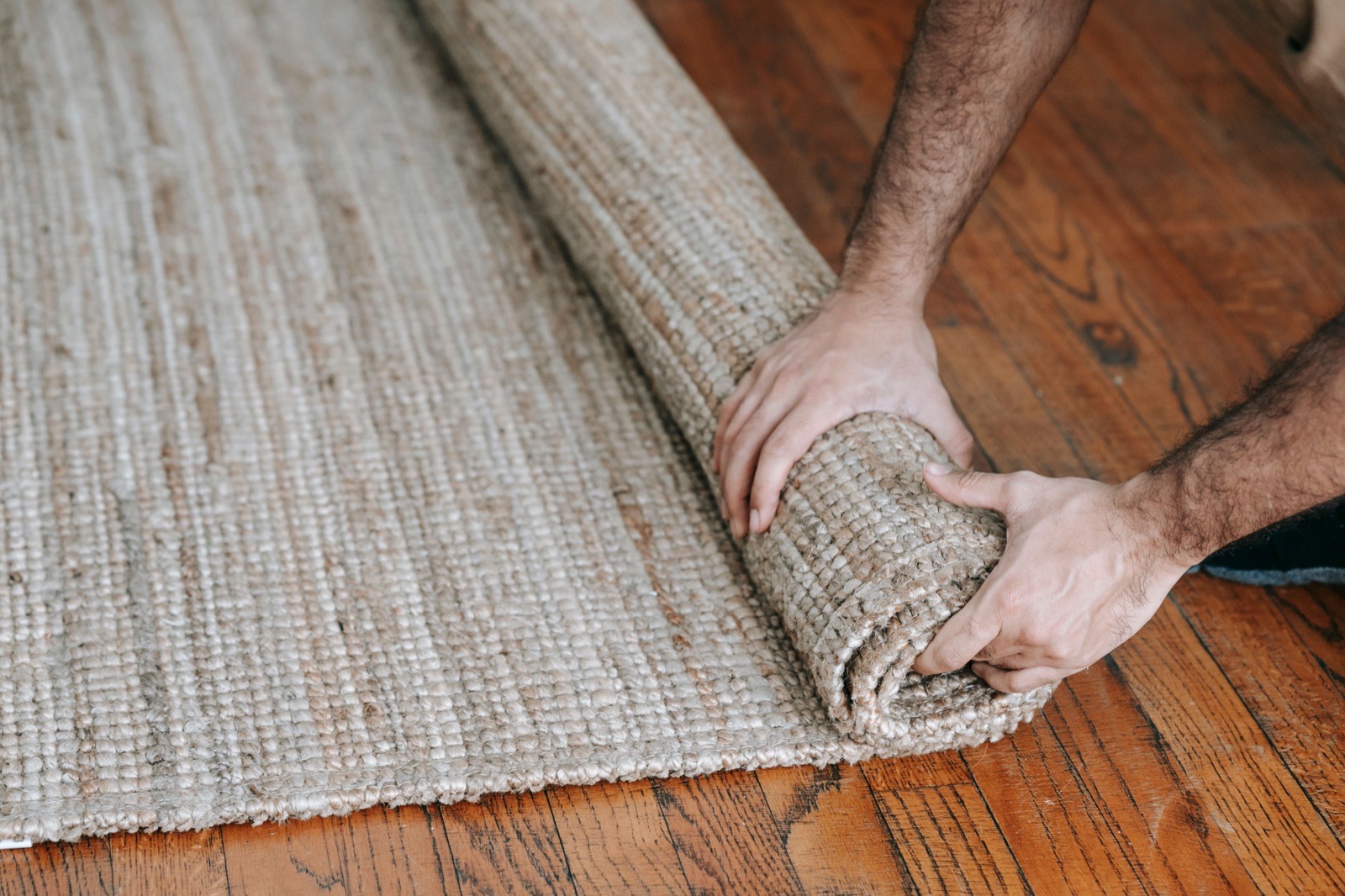
Area rug cleaning is a specialist corner of the cleaning trade. Rugs are made from wool, silk, cotton, jute or synthetics, with dyes that may or may not hold up to water, and many are handmade and valuable to their owners. That's why rug owners look for a specialist rather than whoever cleans their carpet.
This guide covers how to start a rug cleaning business: how it differs from carpet cleaning, in-plant versus on-location work, fiber and dye testing, equipment, certification, insurance, pricing and finding customers. If you mainly want to clean wall-to-wall carpet with a portable extractor or truck-mount, see our guide on how to start a carpet cleaning business instead.
1. Decide how you'll clean: in-plant, on-location or both
There are two ways to clean area rugs, and most rug businesses end up doing both:
- In-plant (off-site) cleaning. You pick the rug up, take it to your facility, and dust, wash, rinse, wring and dry it under controlled conditions. This is how fine wool, silk and handmade rugs are usually cleaned, because you can flood the rug with water, rinse it thoroughly and dry it quickly and evenly. It needs a building, a wash floor and a drying area.
- On-location cleaning. You clean the rug in the customer's home, usually with the same hot water extraction equipment used for carpet. It's quicker and needs no plant, and it suits many synthetic rugs, but you can't rinse as thoroughly or control drying, and it's generally not the right method for rugs with unstable dyes or heavy pet urine contamination, which need a full wash and rinse.
A common way to start is to clean sturdy synthetic rugs on location and partner with an established rug plant for anything delicate, then build your own wash floor once rug volume justifies the rent and equipment.
2. Register the business
Registration is the same as for any cleaning business: location, structure, name, registration, tax IDs, licenses, a bank account and insurance. The SBA's launch steps are the checklist, and our cleaning business guide walks through them.
Get an employer identification number (EIN) from the IRS. It's free, and the IRS says you never have to pay a fee for one.
Location matters more than for most cleaning businesses. A rug plant uses a lot of water, sends wash water down the drain and may run noisy dusting equipment, so check zoning with your city or county before signing a lease. Ask your local wastewater utility whether your wash water needs a discharge permit or pretreatment, such as filtering out sand and fiber. Rug cleaning isn't a state-licensed trade as far as we could find; expect a general business license and local permits, and confirm with your state.
3. Learn fibers, construction and dyes
Most rug cleaning problems come from not knowing what you're cleaning. Before every job, identify:
- Fiber. Each fiber needs its own chemistry, water temperature and drying, which is what rug cleaning courses spend most of their time on. Wool is the most common fine-rug fiber; silk is the most delicate; cotton is often the foundation of handmade rugs; jute, sisal and other plant fibers react badly to water; synthetics such as nylon, polyester and polypropylene are generally the most forgiving.
- Construction. Hand-knotted, hand-tufted (often with a glued backing cloth), flat-woven, hooked or machine-made. Each one reacts differently to water and agitation.
- Dye stability. Test every color for bleeding before cleaning, for example by dampening a hidden area with your cleaning solution and blotting it with a white towel. Rugs that bleed need a different process, or a polite refusal.
Read the label, if there is one. Under the FTC's Textile Act rules, rugs, carpets and mats sold in the US must carry a label listing fiber content by percentage of weight, the country of origin and the maker's name or RN number. Labels get cut off and older or imported handmade rugs may not have one, so you'll still need to test. Rugs sold as "art silk" or "bamboo silk" are usually rayon (viscose), not silk: the FTC says fiber made from bamboo must be labeled with its generic name, such as "rayon made from bamboo," unless it is made directly from bamboo fiber. Treat them as a different fiber from real silk.
Note any existing damage, wear, moth activity, color loss, previous repairs and stains on a written inspection form with photos before you take the rug. It protects you as much as the customer.
4. Get trained and certified
The Institute of Inspection, Cleaning and Restoration Certification (IICRC) is the main certification body in the cleaning industry. Its Rug Cleaning Technician (RCT) certification covers area rug identification and the right cleaning methods for different rug types.
- Prerequisite: you must first hold the Carpet Cleaning Technician (CCT) or Upholstery and Fabric Cleaning Technician (UFT) certification. Neither of those has prerequisites of its own.
- Format: RCT is in-person only. CCT and UFT are offered both live-stream and in person.
- Exam fee: IICRC's exam fee is $80, and a retest is also $80. If you fail, you get two chances to retest within 45 days. Schools set their own course fees.
- Renewal: certifications are kept active by paying an annual renewal fee plus 14 hours of continuing education every four years.
UFT is also a good fit for rug cleaners because it covers fiber identification and testing, and it's required for IICRC's Master Textile Cleaner designation.
The industry's cleaning standard is the ANSI/IICRC S100, the Standard for Professional Cleaning of Textile Floor Coverings (seventh edition, 2021). Its topics include area rugs, carpet fibers and construction, cleaning chemistry, and spot and stain removal.
IICRC Certified Firm. Once you have at least one certified technician and proof of general liability insurance, you can apply for Certified Firm status, which lists your company in IICRC's locator. The application fee is $25.
5. Get insured, including bailee coverage
A rug cleaner holds customers' property, often for days, so insurance needs are different from on-site cleaning. Talk to an agent about:
- Bailee's customers insurance. The DC Department of Insurance, Securities and Banking describes it as coverage for your legal liability when a customer's property is damaged or destroyed while it's in your care. A rug ruined by dye bleed, a fire at your plant or theft from your van are the kinds of losses to discuss. Ask whether rugs are covered in transit and set limits based on the total value of rugs you might hold at one time.
- General liability for injuries and damage at customers' homes, for example when moving furniture.
- Commercial auto for pickup and delivery.
- Property and inland marine coverage for your plant and for equipment that moves between locations.
- Workers' compensation once you hire, where your state requires it.
Use a written work order that records the rug's size, fiber, condition and any declared value, and that the customer signs at pickup.
6. Set up your equipment
For on-location work, you need the same extraction equipment as a carpet cleaner, plus a pH-appropriate wool-safe cleaning solution, a rinse agent, towels and an air mover.
For an in-plant setup, the core pieces are:
- A rug dusting machine. Dusting before washing shakes out dry soil and grit that vacuuming leaves deep in the pile. Dusters range from beater and vibrating machines to compressed-air systems.
- A wash floor or wash pit. A sloped, sealed floor with a drain where rugs are laid flat, pre-treated, shampooed and agitated with a rotary or cylindrical brush machine.
- Rinse equipment. A pressure rinse wand or flood rinse so you can remove all detergent and loosened soil.
- A centrifugal rug wringer. It spins water out of the rug in minutes so it dries faster and more evenly, which helps limit dye migration and browning.
- A drying room. Racks or poles to hang rugs, with fans, heat and dehumidification to dry them evenly.
- Grooming and finishing tools. Pile brushes and grooming rakes, fringe brushes and a fringe cleaning solution.
- Pickup gear. A van, rug rolls or wrapping, labels or tags for every rug and a dolly for heavy rugs.
Rug equipment is sold through specialist distributors and prices vary widely by size and capacity, so get quotes for your plant size before committing. Many cleaners begin with dusting, a simple wash floor and a drying room, and add a wringer when volume grows.
7. Plan pickup, cleaning and delivery
A predictable process protects you and the rug:
- Inspect at pickup. Measure, photograph, test dyes and note the condition with the customer.
- Tag the rug with the order number so it never gets mixed up.
- Dust the rug thoroughly, front and back.
- Pre-treat spots, stains and urine contamination.
- Wash, rinse and wring.
- Dry fully in the drying room. Damp rugs that are rolled up or put back on a floor can brown, smell or grow mold.
- Groom, inspect again and wrap for delivery.
- Deliver, lay the rug and add new pad if the customer ordered it.
Tell customers the usual turnaround up front and send a reminder when the rug is ready.
8. Price your rug cleaning
Rug cleaners commonly price per square foot, measured from the rug's length and width, often with different rates by fiber and construction (synthetic, wool, silk) and a minimum charge per order. Price these separately:
- Pickup and delivery
- Pet urine treatment and extra decontamination
- Spot and stain removal beyond normal cleaning
- Fringe cleaning
- Protector or moth treatment
- Rug pad sales
- Repairs such as binding and fringe work, if you or a partner can do them
Worked example (not a market rate): if you charged $3 per square foot, an 8 x 10 foot rug (80 square feet) would cost $240 to clean, before any add-ons. If your minimum charge were $150, a 3 x 5 foot rug (15 square feet, $45 at that rate) would be billed at $150. Set your own rates from your time per rug, utilities, chemicals, fuel for pickup and delivery, and your hourly target, then compare with what local rug cleaners publish.
Give customers a clear written estimate and invoice. Our free contractor estimate template, contractor invoice template and contractor receipt template work for rug jobs.
9. Find your first customers
- Google Business Profile. Set one up for "rug cleaning" with real photos of your work. See our Google Business Profile guide.
- Reviews. Rug owners want proof you won't damage a valuable rug. Ask every happy customer, and see how to get more Google reviews.
- Carpet cleaners and house cleaners. Many carpet cleaners don't want delicate rug work. Offer to take their rugs.
- Rug stores, interior designers and furniture stores. They get asked for cleaning recommendations.
- Property managers, estate sale companies and realtors for move-outs and estates.
- Your own website. A clear page on how rugs are cleaned in your plant, with photos of dusting, washing and drying, builds trust.
Our house cleaning marketing guide covers more local marketing ideas that work for rug cleaners too.
10. Run the business
Tracking pickups, deliveries, rug tags, estimates and payments gets busy quickly. Field service and cleaning apps handle scheduling, reminders and invoicing. See our cleaning business software roundup.
Rug cleaning business startup checklist
- Decide on on-location cleaning, in-plant cleaning or a partner plant
- Register the business, get an EIN, open a business bank account
- Check zoning and wastewater rules before leasing a plant
- Learn fiber identification and dye testing
- Take IICRC CCT or UFT, then RCT
- Get bailee's customers, general liability, commercial auto and property coverage
- Set up dusting, washing, rinsing, wringing and drying
- Create inspection forms, rug tags and a signed work order
- Set per-square-foot rates, a minimum charge and add-ons
- Create a Google Business Profile and start collecting reviews
Thinking about related work? See our guides on how to start a cleaning business and how to start a pressure washing business.