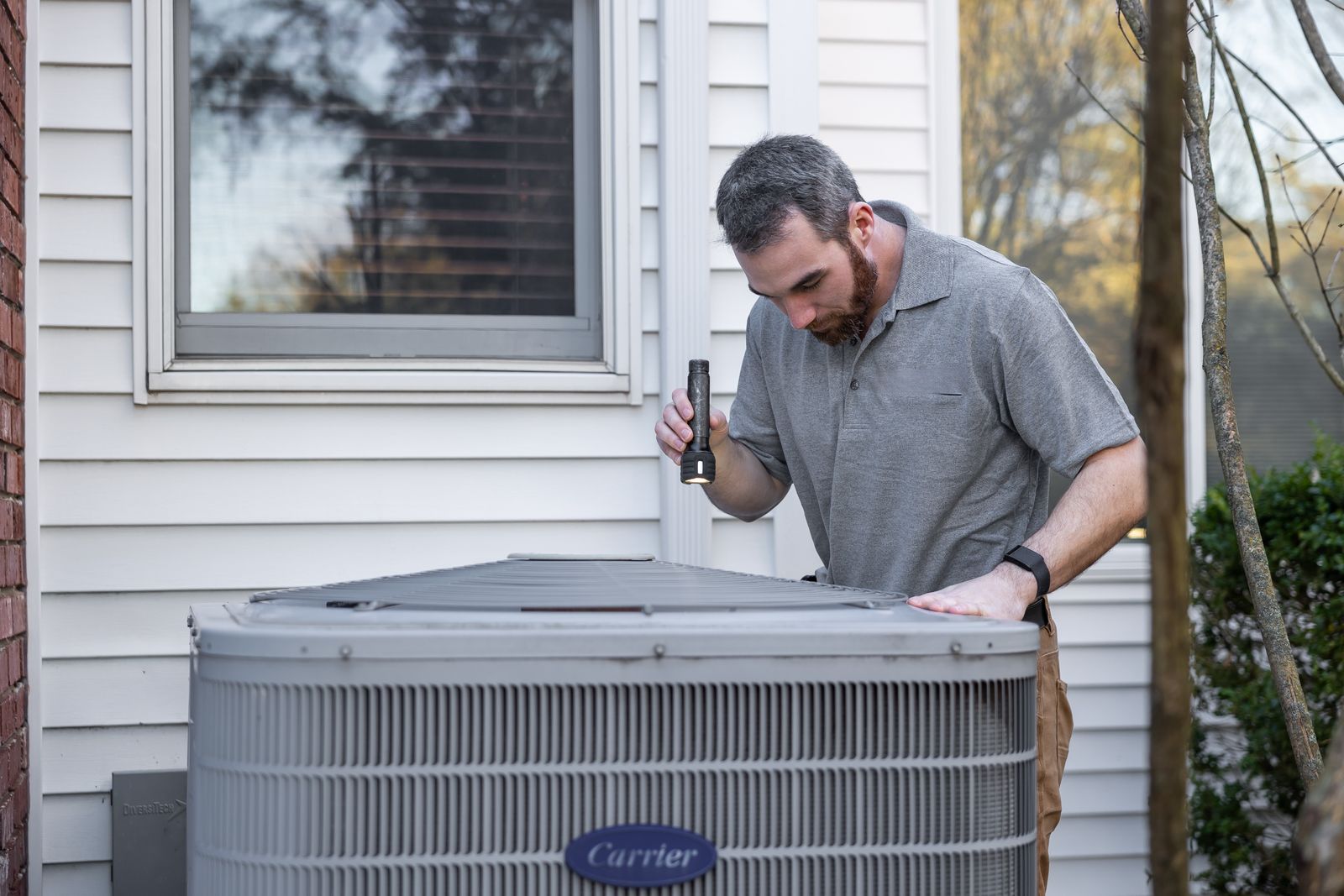
A homeowner looking at your HVAC website is usually in one of two moods. Either the house is 88 degrees and they want someone today, or they're comparing quotes for a new system that costs as much as a used car. Good HVAC website design serves both: a fast way to call for the first, and enough reassurance for the second.
This guide covers the HVAC-specific parts: which pages to build, how to lay out the home page, what to change by season, and the features that turn visits into booked calls. For the basics every contractor site needs, start with our contractor website checklist.
The pages an HVAC website needs
Build one page per service people actually search for. That's better for visitors, who land on exactly what they need, and for search engines, which get a specific page to show.
Cooling
- AC repair
- AC installation and replacement
- Heat pump installation and repair, if you do them (they're both heating and cooling, so link them from both sections)
- Ductless mini-splits
Heating
- Furnace repair
- Furnace installation and replacement
- Boilers, if you service them
Everything else
- Maintenance plan page (see below)
- Indoor air quality (filtration, humidifiers, ventilation), only if you do it regularly
- Commercial HVAC, only if it's a real part of your business
- Service area page with the towns you cover; see service area pages
- Financing page
- Reviews, About and Contact
Each service page should cover the symptoms a homeowner notices ("AC running but not cooling", "furnace short cycling"), what you check and fix, roughly how long it takes, your service area, and a phone number and booking button at the top.
HVAC home page layout, top to bottom
- Header: logo, click-to-call phone number, "Book service" button. On mobile, the phone number must be one tap away on every page.
- One line on what you do and where: "Heating & air conditioning repair and installation in Greater Boise". Not "Your comfort is our priority".
- Two clear paths: "Need a repair?" (call or book) and "Thinking about a new system?" (free estimate). The two moods, side by side.
- Proof: star rating and review count, years in business, licensed and insured, the brands you install.
- Services grid linking to each service page.
- Maintenance plan teaser with what's included.
- Real photos of your team, vans and installs. Stock photos of models in clean uniforms look like every other HVAC site.
- Reviews, ideally a few that mention specific jobs and towns.
- Service area and a final call to action.
Make the site follow the seasons
HVAC demand flips twice a year, and your website should flip with it:
- Spring and summer: AC repair and AC tune-ups at the top of the home page, a cooling-season banner, and cooling-focused offers.
- Fall and winter: furnace repair, heating tune-ups and "no heat" emergency service up front.
- Shoulder seasons: push maintenance plans and system replacements, when your techs have more time.
Plan these swaps in your calendar, the same weeks every year. Stale offers ("Summer AC special!" in January) make a business look neglected.
Features that turn HVAC visitors into booked calls
- Online booking. Let homeowners book maintenance and non-urgent repairs without calling. Many field service tools include a booking widget; see our HVAC field service software comparison.
- Maintenance plan signup. A dedicated page that lists what's included per visit, priority scheduling and any repair discounts, with a signup form. Plans bring recurring revenue and fill slow seasons.
- Financing. System replacements are big purchases. Explain your financing options in plain language and link the application.
- Rebates and incentives. If you help customers claim utility or manufacturer rebates, say so, and keep the page current. Expired incentives are worse than none.
- Credentials. Your state license where required, and EPA Section 608 certification for technicians who maintain, service, repair or dispose of equipment that could release ozone-depleting refrigerants, which federal rules require.
- Brands and dealer status. If you're an authorized dealer for an equipment brand, say so and show what warranty it brings the customer.
- Emergency messaging that's true. "24/7 emergency service" only if someone really answers at 3 a.m.
Speed and technical basics
Many HVAC searches happen on phones, often in a hot or cold house with patience running low. Google's Core Web Vitals guidance gives concrete targets:
- Largest Contentful Paint (loading): within 2.5 seconds
- Interaction to Next Paint (responsiveness): under 200 milliseconds
- Cumulative Layout Shift (visual stability): under 0.1
Big hero videos, image sliders and heavy chat widgets are the usual culprits on HVAC sites. Test your home page and top service pages with PageSpeed Insights on mobile.
Give every page a unique, descriptive title, as Google's SEO Starter Guide recommends, such as "Furnace Repair in Boise, ID | {Your Company}", and match your business name and phone number to your Google Business Profile.
HVAC website builder or web designer?
A website builder costs less and lets you change seasonal banners yourself. It suits a small HVAC company that mainly needs the pages above and a booking button.
A web designer who already builds HVAC or contractor sites costs more, but can handle structure, copy, speed and local SEO, and knows what an HVAC customer needs to see.
Whichever you choose:
- The domain and hosting must be in your company's name, not the designer's.
- You should be able to edit seasonal content without a support ticket.
- Ask for examples of HVAC company websites they've built, and test them on your phone.
- Make sure call and form tracking is set up, so you know which pages and campaigns bring jobs.
HVAC website design checklist
- Click-to-call phone number and booking button in the header on every page
- One-line summary of what you do and where
- Separate repair and new-system paths on the home page
- One page per core heating and cooling service
- Maintenance plan page with signup
- Financing page
- Service area page
- Reviews, real team and job photos, licenses and certifications
- Seasonal content swapped on a schedule
- Core Web Vitals checked on mobile
- Unique titles for every page
- Domain and hosting in your company's name
A great website still needs people to find it. See our local SEO guide for contractors, which has a section for HVAC companies.