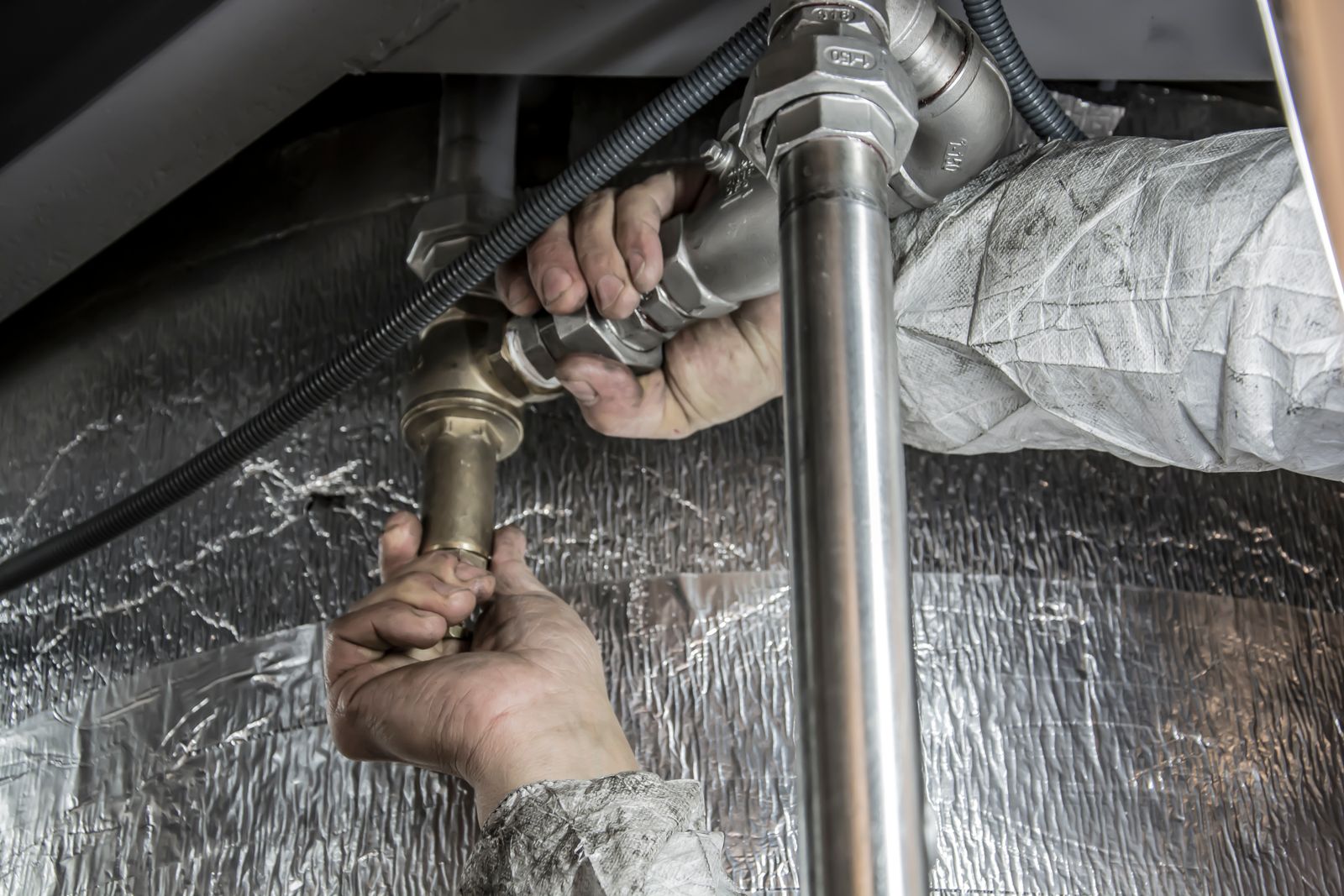
When a pipe bursts, nobody scrolls to page two. A homeowner searches "plumber near me" or "emergency plumber", looks at the three businesses in the Google map pack, and calls one of them. Local SEO for plumbers is the work that gets your company into that short list, and keeps it there, for the searches that happen in the towns you serve.
The good news is that plumber SEO isn't mysterious. Google publishes what it looks at, and most of the work is setup you do once and a routine you keep up. Here is the order we'd do it in.
How Google decides which plumbers to show
Google says local results are based mainly on three things:
- Relevance: how well your Business Profile matches what someone is searching for.
- Distance: how far your business is from the person searching.
- Prominence: how well known your business is, based on things like how many websites link to you and how many reviews you have.
You can't move your shop closer to every customer. Everything below works on relevance (telling Google clearly what you do and where) and prominence (reviews, links and a real presence across the web). Google also says there's no way to request or pay for a better local ranking.
Step 1: Get your Google Business Profile right
Your Google Business Profile is where many plumbing calls from search start. Our Google Business Profile guide for contractors covers setup and verification in detail; for plumbers, these settings matter most:
- Primary category: "Plumber" (or the closest match Google offers). Add secondary categories only for work you regularly do.
- Hide your address if customers don't come to you, and set a service area of the towns you actually want jobs from.
- Hours that tell the truth. If you take after-hours emergency calls, show it, and make sure someone answers at 2 a.m. A missed emergency call goes to the next plumber on the list.
- Services listed one by one: drain cleaning, water heater repair and replacement, leak detection, sewer line repair, repiping, fixture installation. Use the words customers search with.
- Your real business name. "Smith Plumbing", not "Smith Plumbing – 24/7 Emergency Plumber Denver". Keywords in the name break Google's guidelines and can get the profile suspended.
- Real photos of your vans, your crew and finished jobs, with new ones added regularly.
Step 2: Build a steady flow of reviews
Reviews count toward prominence, and they're what homeowners compare when they choose between three plumbers on a map. What helps most is a routine: ask every customer after every job, send your Google review link by text, and reply to every review.
Plumbing has a lot of one-visit, high-stress jobs, so expect the occasional angry review. A calm, specific reply matters as much as the rating; see our examples of how to respond to negative Google reviews. Our guide on how to get more Google reviews covers the full routine and the rules from Google and the FTC.
Step 3: Give each plumbing service its own page
A single "Services" page with a bullet list can't match all the different searches homeowners make. Give each core service its own page on your website:
- Emergency plumbing
- Drain cleaning
- Water heater repair and installation (tankless, if you do it)
- Leak detection
- Sewer line repair and replacement
- Repiping
- Toilet, faucet and fixture repair
Each page should say what you do, the signs a homeowner would notice ("water heater making popping noises", "slow drains in more than one fixture"), how the job works, the areas you cover, and a phone number at the top. Give each page a unique title that says what it is, such as "Water Heater Repair in Aurora, CO | Smith Plumbing". Google's SEO Starter Guide recommends titles that are unique, clear and accurately describe the page.
Our guide to plumbing website design and the contractor website checklist cover the rest of the site: click-to-call on mobile, speed, trust signals and the pages every plumbing website needs.
Step 4: Cover your towns without creating doorway pages
If you serve a dozen towns, it's tempting to clone one page twelve times and swap the city name. Google's spam policies call this out: pages targeted at specific cities that funnel users to one page are listed as doorway abuse, and blocks of text listing cities you want to rank for count as keyword stuffing.
What works instead is a smaller number of service area pages with something genuinely local on each: the neighborhoods and ZIP codes you cover, the problems you see there (old galvanized pipes in older neighborhoods, hard water, frozen pipes in winter), photos and reviews from jobs in that town. Our guide to service area pages for contractors shows how to build them.
Step 5: Keep your business details consistent everywhere
Search engines cross-check your name, address and phone number across the web. Bing, for example, checks the details on your listing against trusted external data and may not publish changes that don't match. Make sure your details are identical on:
- Google Business Profile
- Bing Places for Business, which can import your Google profile
- Apple Maps, through Apple Business
- Yelp, your local chamber of commerce, and any trade association or manufacturer directory you belong to
If you change phone numbers or move, update all of them, not just Google.
Step 6: Content marketing for plumbers that actually brings calls
You don't need a blog post every week. You need answers to the questions your office already hears on the phone, written on your site:
- "Why is my water heater leaking from the bottom?"
- "How do I shut off the water to my house?"
- "What to do if your pipes freeze"
- "Tankless vs tank water heaters: what it costs to switch in {your area}"
Write from what you actually see on jobs, and link each answer to the matching service page. Seasonal posts (winterizing pipes, sump pump checks before spring) are worth updating every year.
Step 7: Earn local links and mentions
Links from other websites are part of prominence. For a plumbing company, the realistic sources are local:
- Sponsoring a local youth team or event that lists sponsors on its website
- Your supplier's or a manufacturer's dealer or installer locator, if you're certified to install their products
- Local news coverage, for example when you give practical advice before a cold snap
- Local business associations and the chamber of commerce
Avoid buying links or link packages. Google's spam policies treat buying links to manipulate rankings as link spam.
Step 8: Add structured data, carefully
LocalBusiness structured data tells Google your business name, address, phone number, hours and website in a machine-readable format. Schema.org has a specific Plumber type you can use. Two cautions from Google's own documentation:
- Structured data doesn't guarantee any special display in search results.
- Google recommends review and rating markup only for sites that collect reviews about other businesses. Don't mark up your own testimonials to try to get stars in search results.
Step 9: Measure calls, not rankings
Rankings change depending on where the searcher is standing, so they're a noisy measure for a plumber. Track what pays the bills:
- Business Profile performance: Google shows calls, website clicks and direction requests from your profile.
- Google Search Console (free): which searches show your website and which pages get clicks.
- Booked jobs by source: ask every new caller how they found you, or use call tracking, and record it in your field service software. Our best plumbing software roundup compares tools that can track lead sources.
Local SEO vs Local Services Ads
Local Services Ads are Google's pay-per-lead ads for service businesses, and plumbers are one of the eligible categories. Businesses that pass Google's screening can show a Google Verified badge. They're advertising, not SEO: you pay for leads, and Google says there's no way to pay for a better local ranking. Many plumbing companies run both. Treat ads as a way to fill the schedule while local SEO builds up. See what Local Services Ads cost and our guide to Google Ads for plumbers.
Plumber SEO mistakes to avoid
- Keywords or city names added to the business name on Google
- A virtual office or mailbox used as a "location"
- Several Business Profiles for one company to "cover" more cities
- Dozens of near-identical city pages
- Buying reviews, or offering discounts in exchange for them
- Bought links or link packages
Doing it yourself vs hiring a plumber SEO service
Most of the steps above are work an owner or office manager can do. If you hire help, Google's advice on choosing an SEO applies: no one can guarantee a #1 ranking on Google, be wary of firms that email you out of the blue, and ask what results they expect and in what timeframe, and how they measure success. Make sure your Google Business Profile, website, domain and Search Console are in your company's name, with the agency added as a user, so you keep them if you part ways.
For the bigger picture beyond plumbing, see our local SEO guide for contractors.